
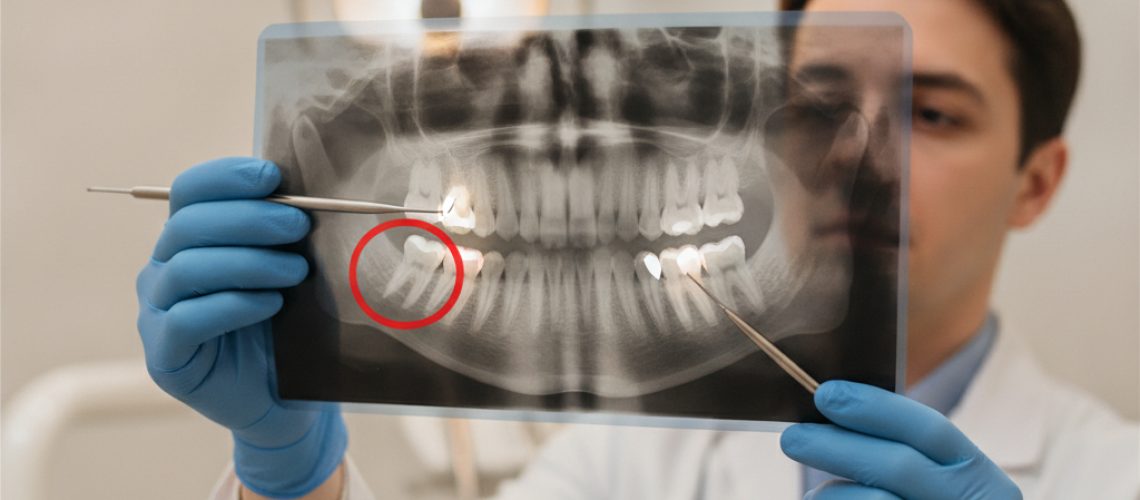
Wisdom teeth confuse a lot of people. A common question we hear is: Are wisdom teeth molars? Knowing the answer and what these teeth do helps explain why they cause so many problems and when it's time to get them checked.
At Parkchester Oral & Maxillofacial Surgery Associates in the Bronx, NY, our board-certified oral surgeons evaluate and remove wisdom teeth every day. Here's what you should know.
Are Wisdom Teeth Molars?
Yes, wisdom teeth are molars. They're the third set of molars, sitting at the very back of your mouth. Molars are wide, flat teeth built for grinding food, and wisdom teeth, also called third molars, usually come in during the late teens or early twenties. If yours have already been taken out, good after wisdom teeth removal care makes a big difference in how you heal.
The Evolutionary Background of Wisdom Teeth
Our ancestors chewed tough plants and raw foods that wore teeth down, so an extra set of molars was useful. As diets changed and jaws got smaller, those extra molars became less necessary. Today, many people don't have enough room for them, which is why they so often get stuck (impacted) or come in crooked.
Symptoms and Signs of Wisdom Teeth Problems
Many people feel discomfort as their wisdom teeth start to come in. Common symptoms include:
Pain or tenderness in the jaw
Swelling around the gums
Difficulty opening your mouth fully
Persistent bad breath
You might also notice food getting stuck behind your back teeth or a sore spot that comes and goes. Any of these can point to impacted wisdom teeth or an infection, and it's worth getting them looked at.
Treatment Options for Wisdom Teeth Issues
Treating wisdom teeth starts with a careful evaluation. At Parkchester Oral & Maxillofacial Surgery Associates, our surgeons use advanced imaging, including 3D scans, to see exactly where your wisdom teeth sit. Depending on what we find, treatment can look like this:
Regular Monitoring
If your wisdom teeth are positioned well and aren't causing pain or damaging nearby teeth, you may not need treatment right away. Regular checkups and X-rays keep an eye on them.
Surgical Removal
For wisdom teeth that are painful, impacted, or growing in at an angle, surgical extraction is often recommended. The board-certified surgeons at Parkchester Oral & Maxillofacial Surgery Associates use modern techniques to keep you comfortable and help you recover faster.
Key Differences in a Molar vs Wisdom Tooth
Wisdom teeth and other molars look similar, but there are a few key differences:
Position: Wisdom teeth are the last to come in, at the very back of the jaw.
Timing: They usually appear in the late teens or early twenties, while other molars come in during childhood.
Space Issues: Because the jaw often runs out of room, wisdom teeth are more likely to get impacted.
How Wisdom Teeth Affect Oral Health
Wisdom teeth can affect your oral health in several ways:
Alignment Issues: They can crowd and push other teeth out of line.
Decay and Gum Disease: They're hard to reach with a toothbrush, so cavities and gum infections are more likely.
Cysts and Tumors: Though rare, impacted wisdom teeth can sometimes lead to cysts that damage the jawbone.
When to Seek Professional Advice
If you're dealing with discomfort or any of the symptoms above, don't wait it out. Our practice in the Bronx, NY, offers personal consultations to figure out the best next step for your teeth. Catching a problem early usually means an easier fix.
Why Patients Trust Parkchester Oral & Maxillofacial Surgery Associates
At Parkchester Oral & Maxillofacial Surgery Associates, we combine more than 50 years of combined experience with compassionate, personal care. Our board-certified oral surgeons focus on your comfort and on effective results, using advanced technology and keeping your general dentist updated along the way.
FAQs About Whether Wisdom Teeth Are Molars
How painful is wisdom teeth removal?
Most people have some soreness afterward, but our anesthesia options, including IV sedation and general anesthesia, keep you comfortable during the procedure.
Can I keep my wisdom teeth?
If they come in straight and don't cause problems, they may not need to come out. Regular monitoring is still a good idea.
What is recovery like after extraction?
Recovery usually means a few days of rest, soft foods, and avoiding hard or crunchy foods. You'll get specific aftercare instructions.
How do I know if they are impacted?
An X-ray or 3D scan can quickly show whether your wisdom teeth are impacted.
Will insurance cover my surgery?
Coverage varies. Our team works with many insurance providers and can help you understand your benefits at your consultation.
Peace of Mind for Your Smile
Knowing whether wisdom teeth are molars, and how they affect your oral health, helps you make good decisions about your care. If you think something's wrong or just want advice, contact Parkchester Oral & Maxillofacial Surgery Associates for a personal consultation, and get clear answers about what your third molars mean for you, starting with: are wisdom teeth molars that need to come out?